travel tips
The Ultimate Travel Guide to Trinidad & Tobago
Two islands, one extraordinary destination — Carnival, steelpan, rainforests, reefs and the best street food in the Caribbean.
Discover Two Islands, One Extraordinary Destination
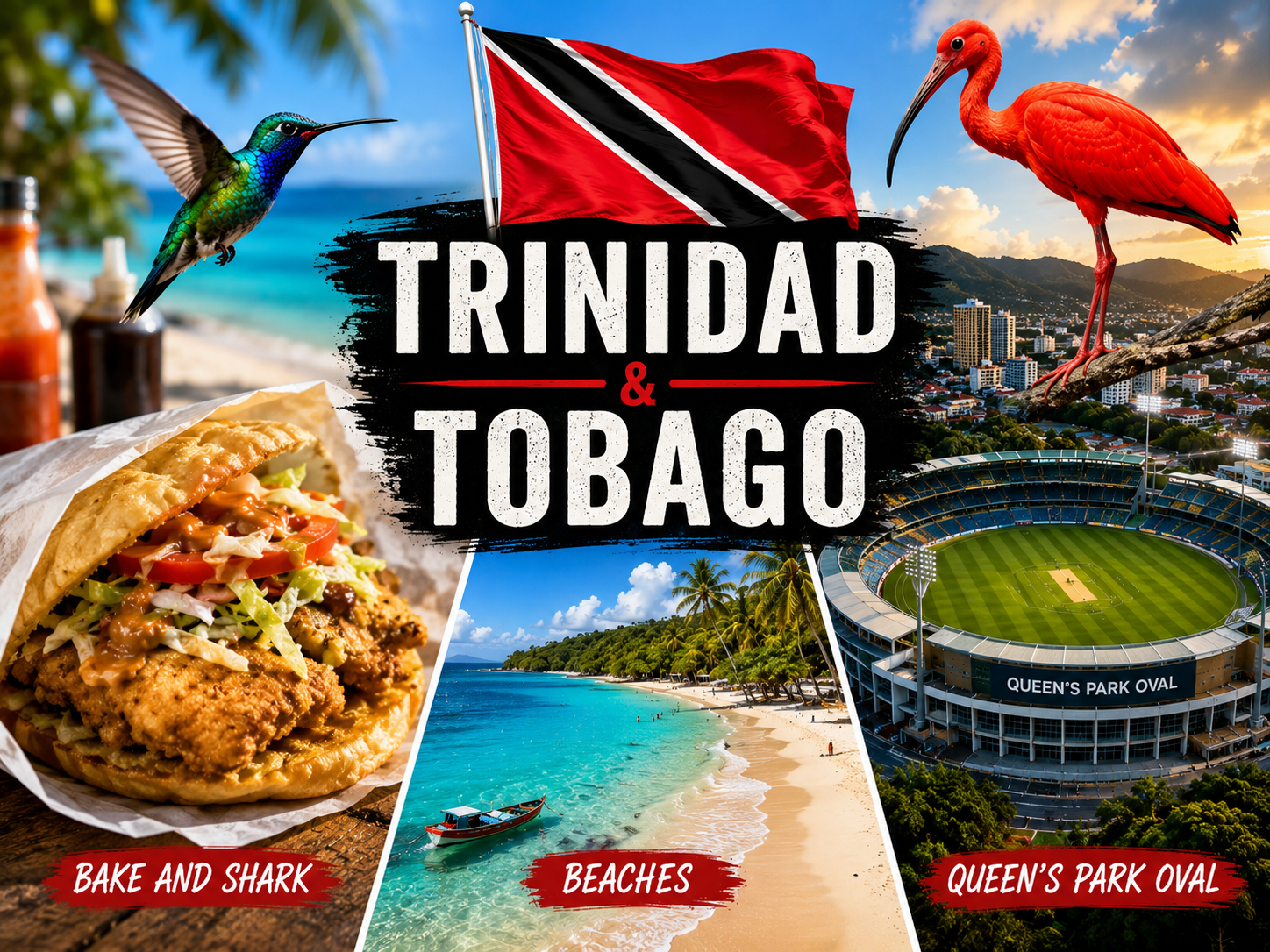
When travelers think of the Caribbean, they often imagine white sand beaches, swaying palm trees, and turquoise waters. While Trinidad & Tobago certainly offers all of that, these twin islands provide something even more remarkable—a destination where vibrant culture, extraordinary biodiversity, world-famous festivals, and incredible cuisine combine to create one of the Caribbean's most authentic travel experiences.
Unlike many island destinations that focus almost exclusively on beach tourism, Trinidad & Tobago invites visitors to experience living culture. From the infectious rhythms of steelpan and soca music to bustling street markets, lush rainforests, colorful festivals, and unforgettable culinary adventures, every day brings something new to discover.
Whether you're seeking adventure, relaxation, wildlife encounters, or simply the best Caribbean food you'll ever taste, Trinidad & Tobago deserves a place on your travel bucket list.
A Brief History
Trinidad & Tobago's story stretches back thousands of years. The islands were originally inhabited by Indigenous peoples, including the Arawaks and Caribs, long before Christopher Columbus sighted Trinidad during his third voyage to the Americas in 1498.
Spanish rule dominated the early colonial period before Trinidad came under British control in 1797. Tobago, meanwhile, changed hands more than thirty times between the British, French, Dutch, Courlanders, and others before eventually becoming part of the British Empire.
The two islands were administratively united in 1889 and gained independence from Britain on 31 August 1962. In 1976, Trinidad & Tobago became a republic while remaining a member of the Commonwealth.
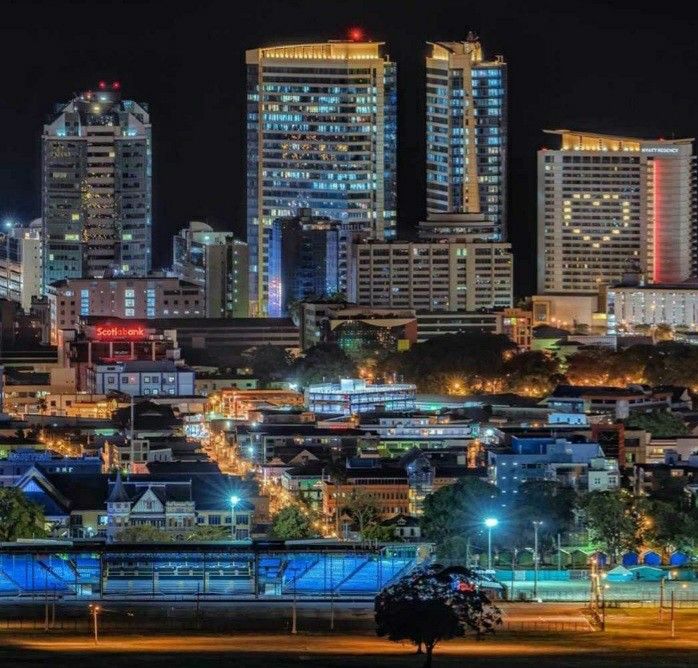
Today, the nation is one of the Caribbean's most prosperous economies and is celebrated for its rich multicultural heritage.
Geography
Located at the southernmost end of the Caribbean, Trinidad lies just 11 kilometres (7 miles) off the coast of Venezuela, while Tobago sits approximately 35 kilometres (22 miles) northeast of Trinidad.
Together, the islands cover approximately 5,130 square kilometres and offer an incredible variety of landscapes, including:
- Rainforests
- Waterfalls
- Mangrove wetlands
- Coral reefs
- Mountain ranges
- Rivers
- Tropical beaches
- Offshore islands
Nature lovers will find more than 470 bird species, leatherback turtles, scarlet ibis colonies, dolphins, and vibrant marine life.
Currency
The official currency is the Trinidad & Tobago Dollar (TTD).
Approximate exchange rates (which fluctuate daily):
- 1 USD is roughly 6.75–6.85 TTD
- Major credit cards are widely accepted
- ATMs are available throughout both islands
- US dollars are accepted by some hotels and tourism businesses, but paying in local currency often provides better value
Language
English is the official language, making Trinidad & Tobago one of the easiest Caribbean destinations for English-speaking travelers.
Visitors will also hear lively Trinidadian and Tobagonian Creole dialects, adding warmth and personality to everyday conversations.
Culture
Few countries can rival Trinidad & Tobago's cultural diversity.
The population reflects African, East Indian, European, Chinese, Middle Eastern, Portuguese, Syrian-Lebanese, and Indigenous ancestry, creating one of the world's most multicultural societies.
This diversity is reflected in festivals, music, religion, architecture, cuisine and daily life.
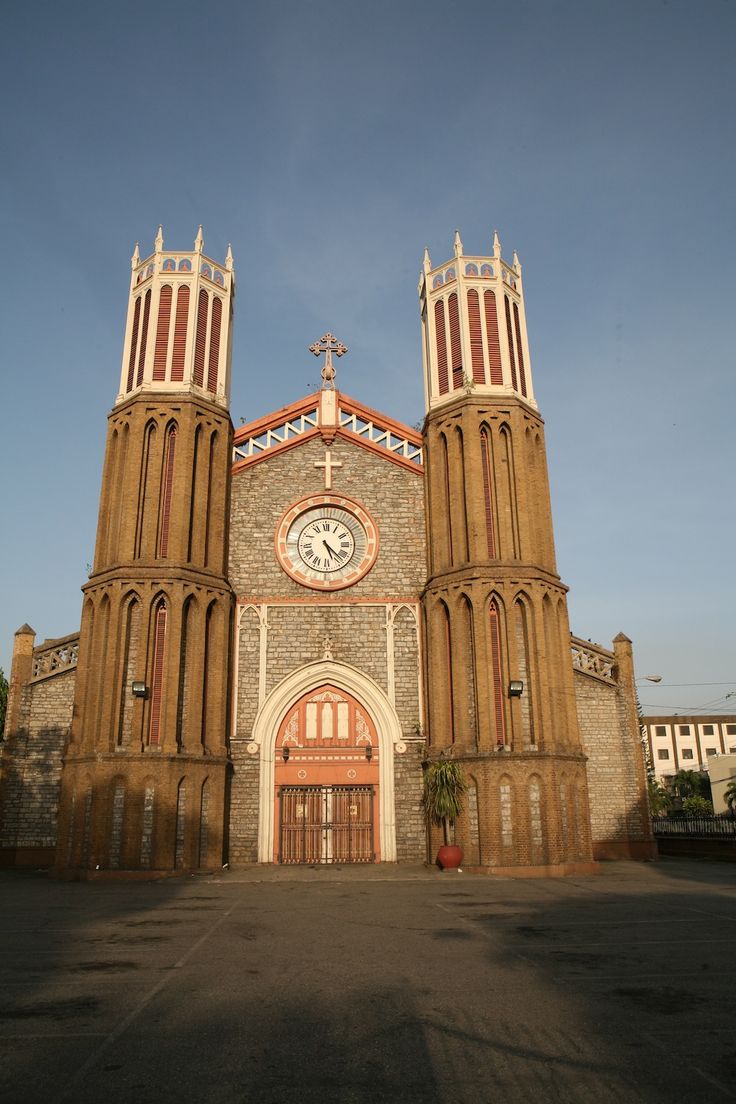
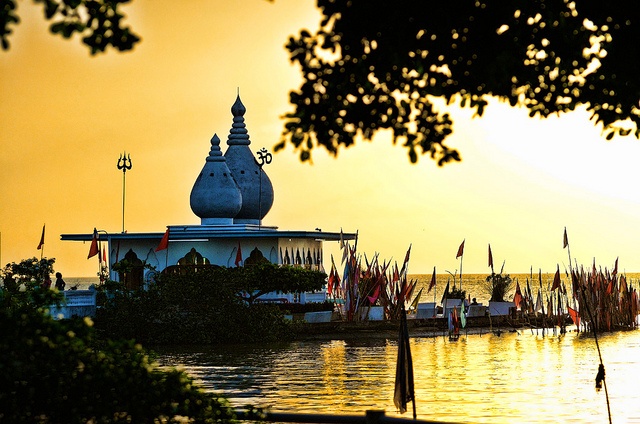
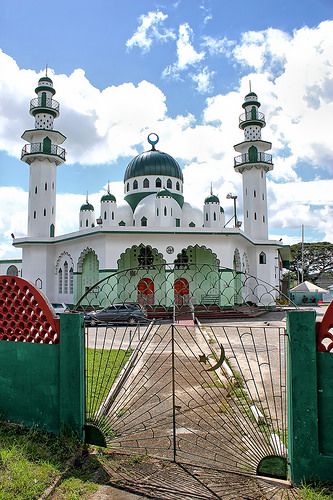
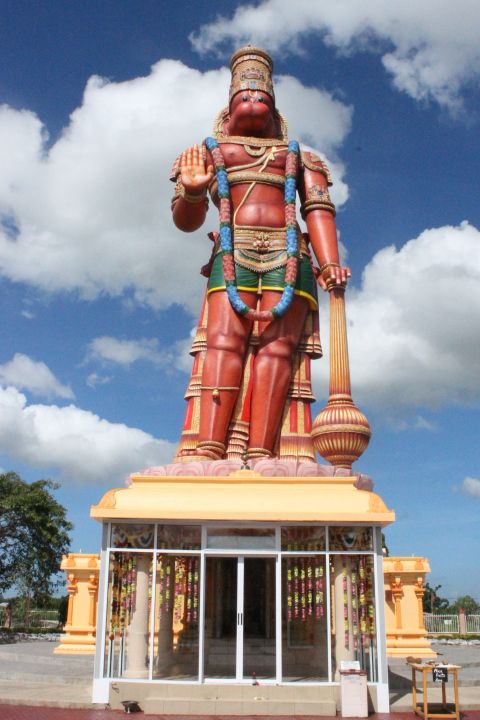
Hindu temples, churches, mosques, and spiritual shrines often stand just minutes apart, symbolizing the nation's spirit of coexistence.
Carnival: The Greatest Show on Earth
Trinidad Carnival is widely regarded as the greatest street festival in the world.
Held every year before Ash Wednesday, Carnival attracts hundreds of thousands of visitors who come to enjoy:
- Elaborate costumes
- Soca music
- Calypso competitions
- Steelpan performances
- J'ouvert celebrations
- All-inclusive fêtes
- Endless street parades
For many visitors, Carnival alone is worth the trip.
Music That Changed the World
Trinidad & Tobago gave the world:
- Steelpan (the only acoustic musical instrument invented in the 20th century)
- Calypso
- Soca
- Chutney Soca
- Rapso
Music is woven into everyday life, from beach bars to festivals and community celebrations.

Food: A Culinary Paradise
If there's one thing locals agree on, it's that Trinidad & Tobago has some of the best food in the Caribbean.
The cuisine reflects centuries of cultural influence and is bursting with bold spices, fresh herbs, and unforgettable flavors.
Expect to enjoy curries, fresh seafood, Creole dishes, Chinese cuisine, Indian specialties, African-inspired recipes, Middle Eastern flavors, local desserts and tropical fruits.
Food is not just nourishment—it's a celebration of the islands' identity.
Trinidad's Top 10 Street Foods
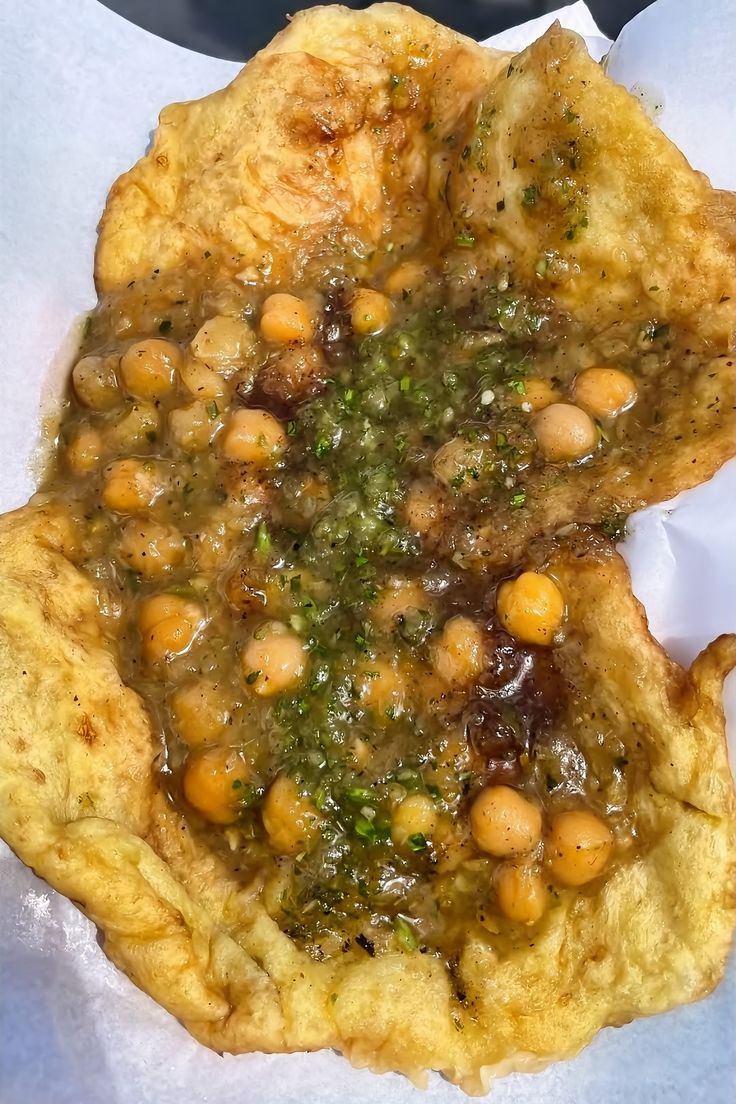
- Doubles
- Aloo Pie
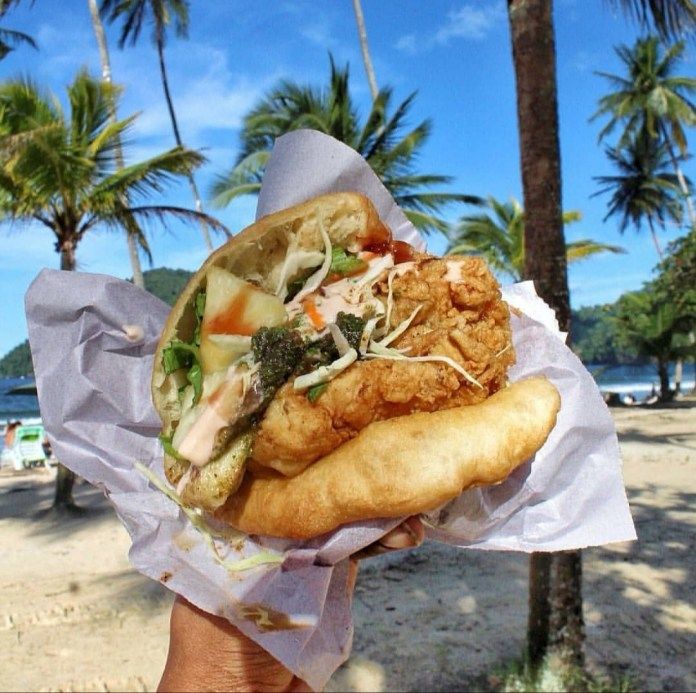
- Bake & Shark
- Chicken Roti
- Goat Roti
- Corn Soup
- Pholourie
- Saheena
- Geera Pork
- Coconut Bake with Saltfish
No visit is complete without trying doubles from a roadside vendor in the early morning or a fresh bake and shark at Maracas Beach.
Tobago's Top 10 Street Foods
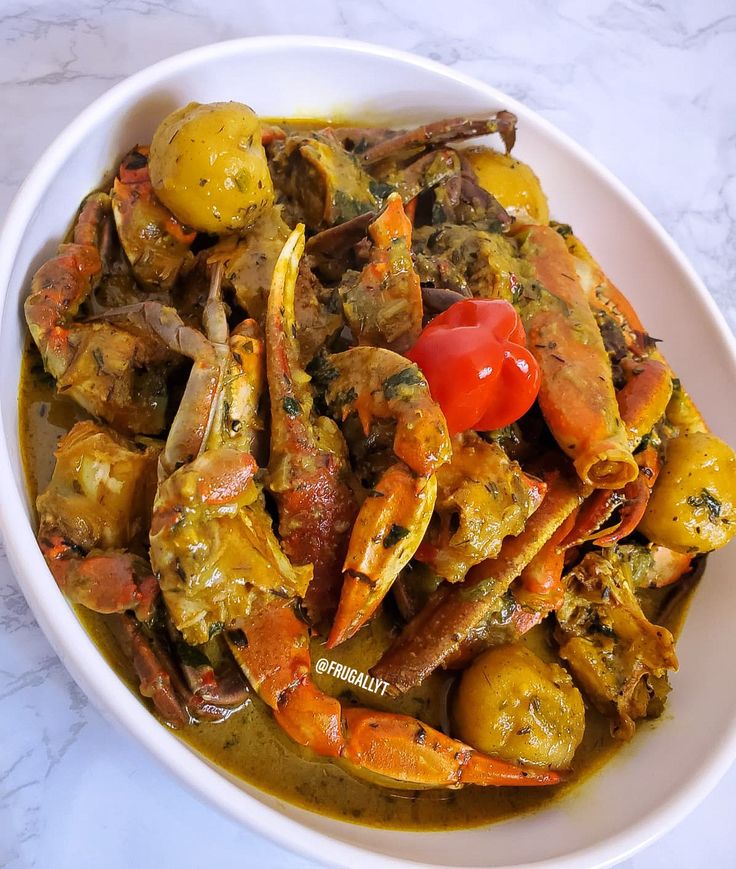
- Crab & Dumpling
- Curry Crab & Dumpling
- Fried Flying Fish
- Grilled Lobster
- Coconut Bake
- Fish Broth
- Conch Soup
- Barbecued Fish
- Tamarind Balls
- Coconut Ice Cream
Tobago's cuisine is more seafood-focused and highlights the island's relaxed coastal lifestyle.
What Makes Trinidad Different from Tobago?
Although they form one nation, the islands offer distinctly different travel experiences.
Trinidad
Trinidad is larger, busier, and more cosmopolitan. It is the country's economic center and offers Carnival, diverse street food, nightlife, shopping, museums, birdwatching, rainforests, business travel and cultural festivals.
Trinidad appeals to travelers seeking energy, culture, music, and authentic local experiences.
Tobago
Tobago is quieter, slower, and more focused on nature and relaxation. It is famous for white-sand beaches, luxury villas, coral reefs, diving, snorkeling, sailing, eco-tourism and romantic getaways.
Tobago is ideal for honeymooners, beach lovers, and anyone looking to unwind.
Together, the two islands offer the best of both worlds.
National Airline
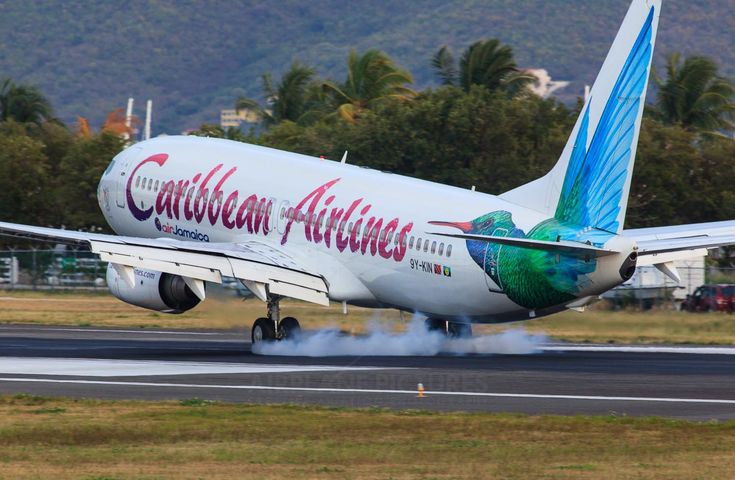
The national carrier is Caribbean Airlines, headquartered in Trinidad. It connects Trinidad & Tobago with destinations across the Caribbean as well as major cities in North America, including New York, Miami, Toronto, and Orlando.
Many international visitors also arrive via connecting flights through hubs such as Panama City, Miami, New York, Toronto, London, and regional Caribbean gateways.
Typical Airfares
Airfares vary depending on season, airline, and how far in advance you book.
From North America
Approximate economy return fares:
- New York: US$350–700
- Miami: US$300–600
- Toronto: US$450–800
- Orlando: US$350–650
Booking two to four months in advance often provides the best value.
From Europe
Typical return fares with one connection:
- London: US$700–1,200
- Paris: US$850–1,300
- Amsterdam: US$800–1,250
- Frankfurt: US$850–1,350
European travelers generally connect through London, North America, or other Caribbean hubs.
Best Time to Visit
One of Trinidad & Tobago's greatest advantages is that it lies outside the main Atlantic hurricane belt.
The best times to visit include:
- January to April for dry weather and Carnival season
- May to June for excellent weather with fewer crowds
- July to August for turtle nesting season
- September to November for lower hotel rates and quieter attractions
Getting Around
Rental cars are widely available, especially for travelers wishing to explore independently.
Other transportation options include:
- Licensed taxis
- Route taxis (shared taxis)
- Public buses
- Domestic flights between Trinidad and Tobago
- Inter-island ferry service
Why You Should Visit
Trinidad & Tobago is unlike any other Caribbean destination.
It offers the excitement of a cosmopolitan island alongside the serenity of an untouched tropical paradise. One day you can dance in the streets during Carnival, sample world-famous street food, or hike through lush rainforests. The next, you can relax on a secluded Tobago beach, snorkel among vibrant coral reefs, or watch the sun set over the Caribbean Sea.
Whether you're a foodie, an adventurer, a wildlife enthusiast, or simply looking to immerse yourself in authentic Caribbean culture, Trinidad & Tobago promises an experience that is rich, diverse, and unforgettable.
Pack your curiosity, your appetite, and your sense of adventure—these twin islands are ready to welcome you.
About the Editor
Mrs Sharmila is the Editor of Travel Taste Journal and an award-winning photographer with a passion for exploring the world's cultures through travel, food, photography, and storytelling. She believes that every destination has a unique story waiting to be discovered and is dedicated to inspiring readers to experience the people, flavours, and traditions that make each place unforgettable.
Written by Mrs Sharmila — Editor, Travel Taste Journal
Plan this trip
Ready to book? Work with our travel advisor
Personal itinerary planning and hotel perks through Fora — no planning fee.
Related articles

travel tips
Getting Your USD Travel-Ready: Wam, Charles Schwab & Using Your Credit Card for Travel
Planning to travel from Trinidad & Tobago? Learn how Wam and Charles Schwab can help you access USD, prepare your finances before traveling, and understand why having sufficient credit available can make hotel check-in easier.
travel tips
NYC Travel Guide: 50+ Things to Do, Eat & See
Discover the best of New York City with the Curated TravelTasteJournal NYC Guide, featuring free and affordable attractions, iconic landmarks, movie and TV locations, must-try foods, tourist discounts, attraction passes and five-day itineraries.

travel tips
NYC Public Restrooms: A Tourist Guide to Bathrooms in New York City
Finding a bathroom in New York City can be surprisingly difficult. This TravelTasteJournal guide explains why restaurant and public restrooms may be locked, where tourists can find bathrooms, and practical tips for planning restroom stops while sightseeing.